Design and implement 3 level maps
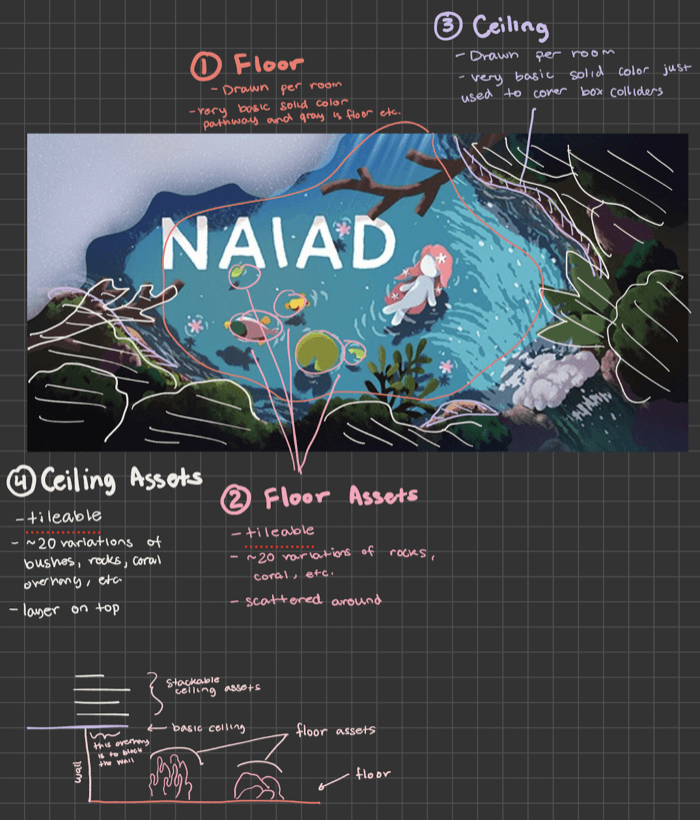
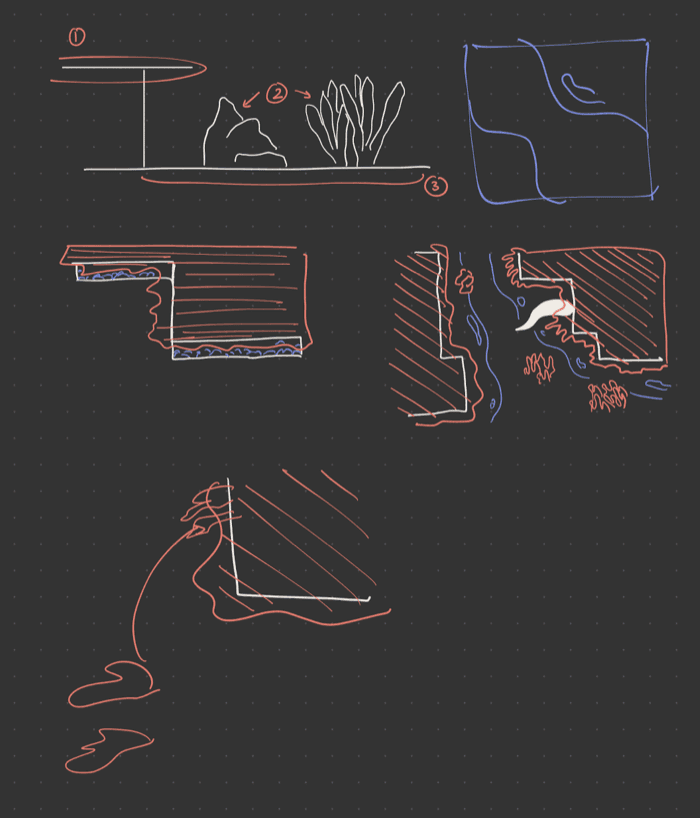
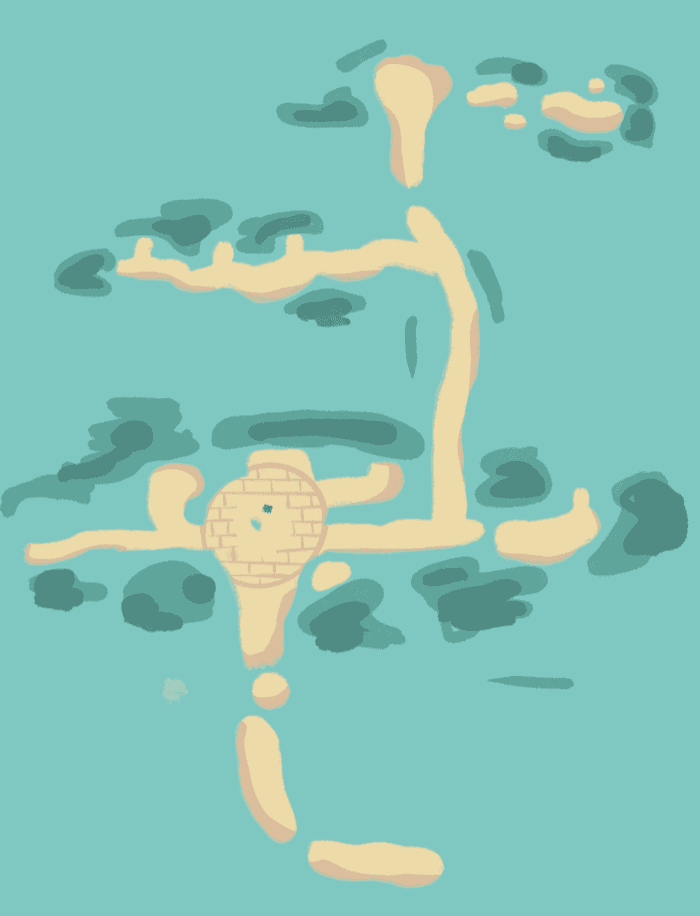
Underwatertale at its core started as a cozy exploration rpg. I got to design 3 levels: Rocky Reef, the intro map, Lily Reef, the small village and hub, and Kelp Forest, a big forest for the player to explore
Rocky Reef
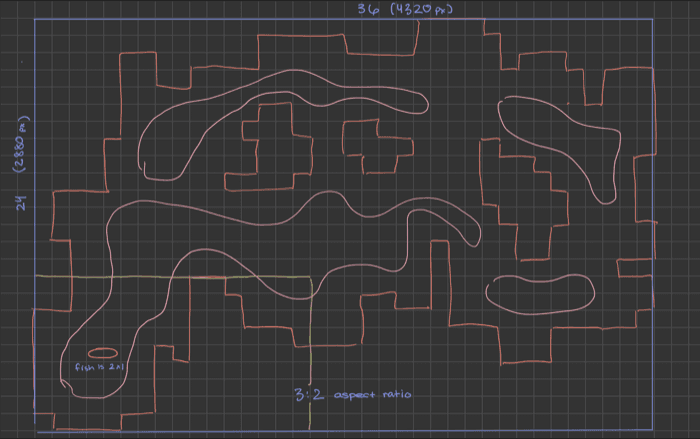
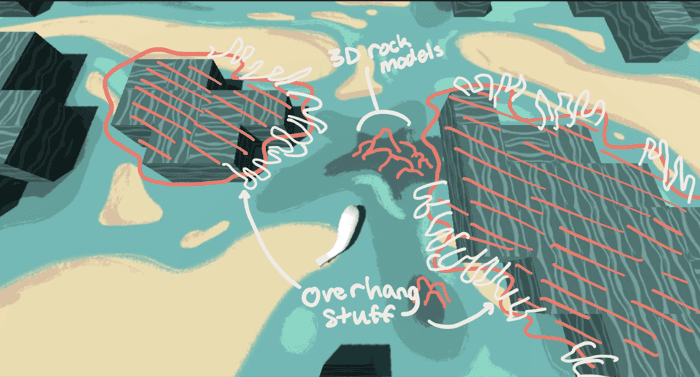
In Rocky Reef, the goal was to have players explore the whole thing without restricting them to a linear path. In order to make sure this happened, I strategically picked 2 quests to place in this map. One had players racing a snail around the map forcing players to see the whole thing. The other was a collection quest that forced players to search the entire map a little more thoroughly to find a moms lost eggs.
Lily Reef
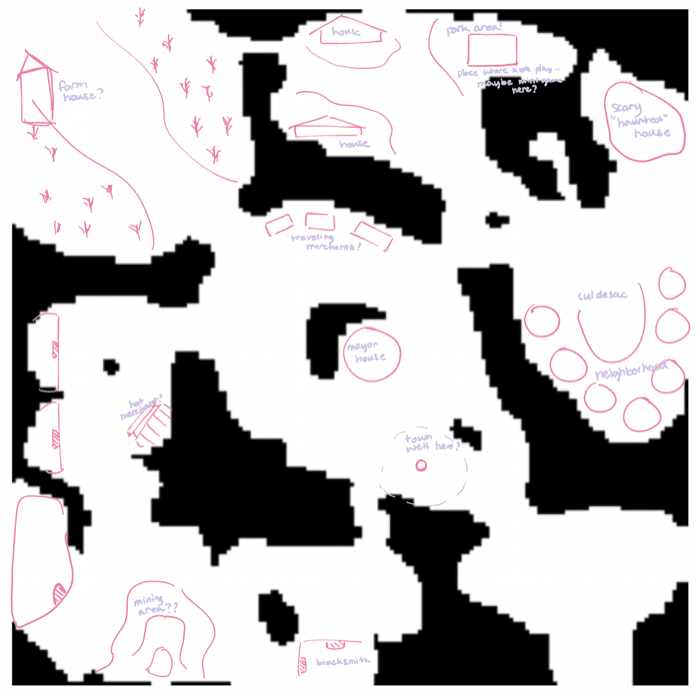
The goal of Lily Reef was to provide a bustling hub for the player to interact with NPCs and get quests. It originally started very big with grandiose circle hubs for residential and industrial areas. Later on, we lowered the importance of Lily Reef and with that I had to redesign a smaller map. I opted for a sort of neighborhood feel with a main street that branches off to smaller streets. It is familiar to the player as a town but keeps a more rugged shape of nature.
Kelp Forest
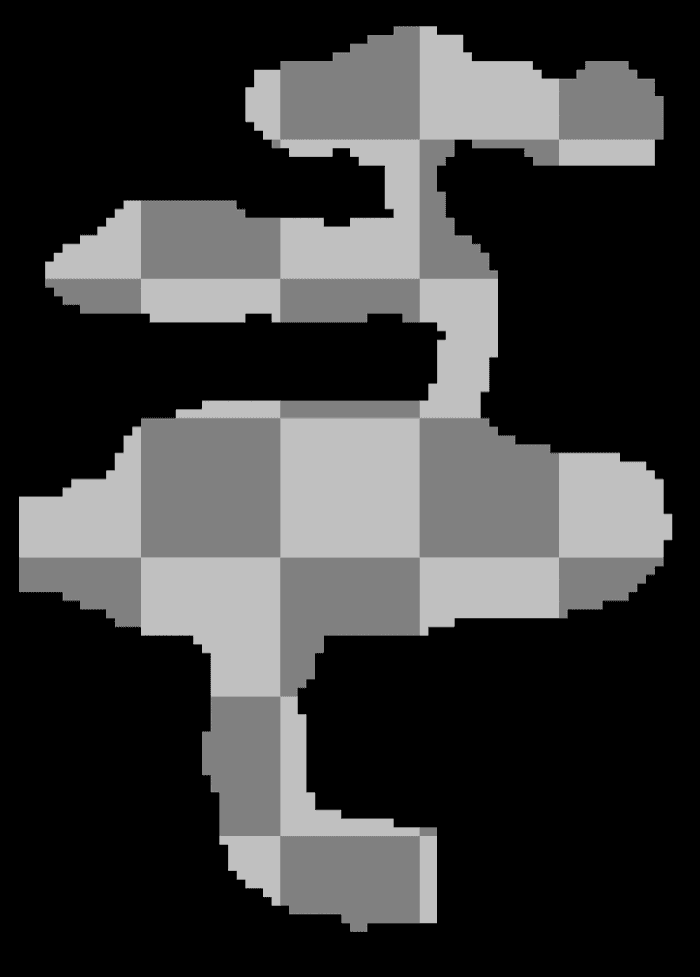
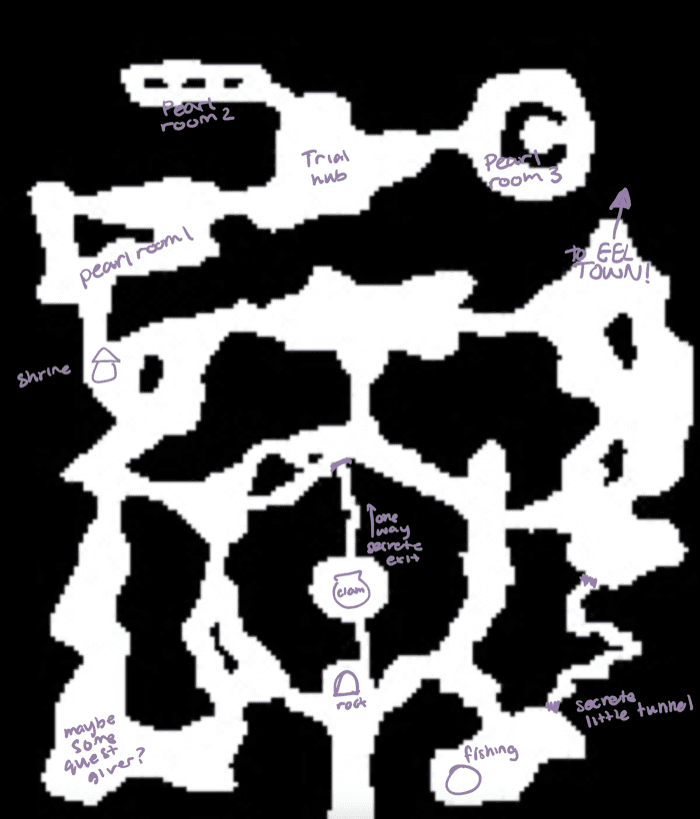
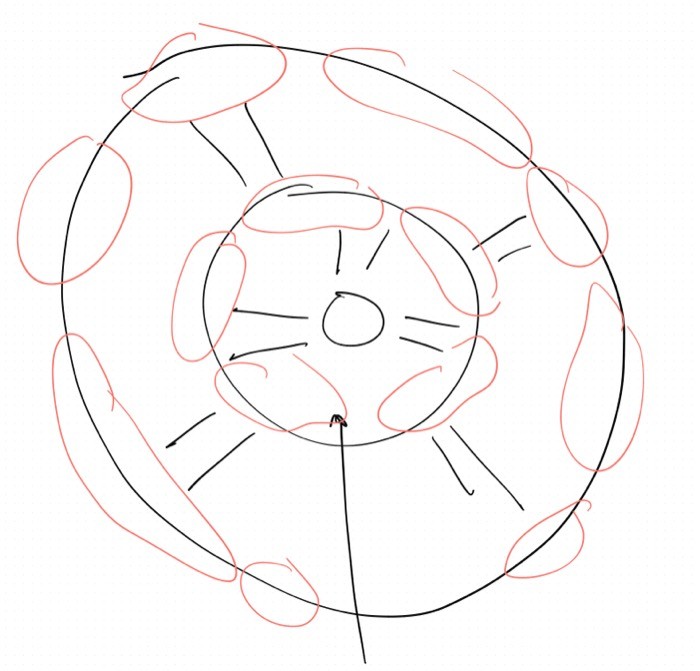
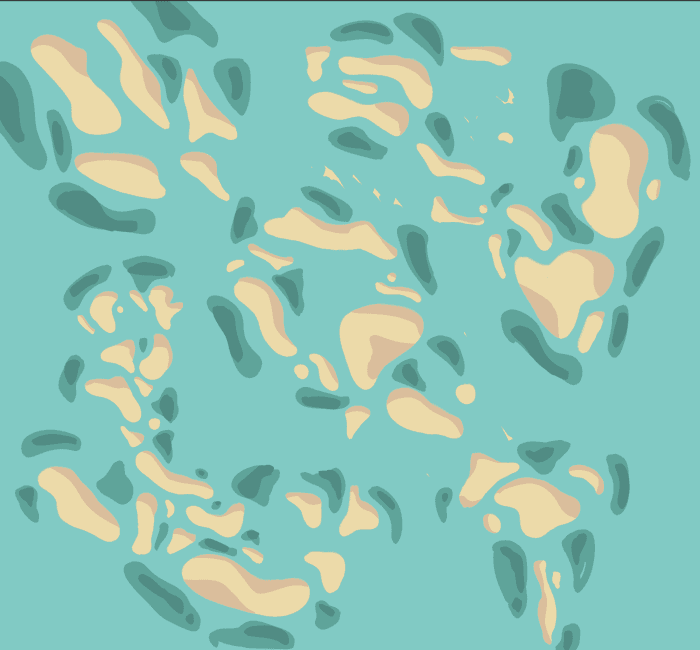
I wanted the player to get lost in Kelp Forest. It was the main exploration area of the game with a bit of a mysterious element to it. I start with a cyclical target shape. I thought the more opportunities the player has to loop back to where they started, the more confusing it will be. From that layout I created rooms along that path, some of which were cyclical them selves. Play tests showed that the area was easy to get lost in, but it felt intriguing rather than frustrating.
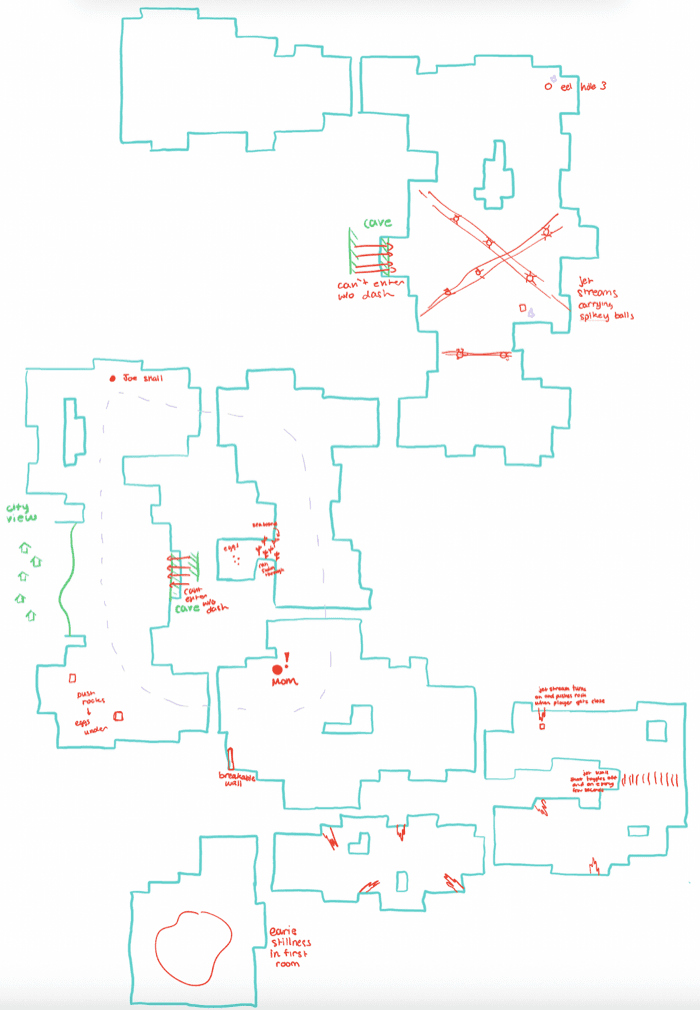
Rocky Reef Sketch
Ideate upgrade mechanics and quests
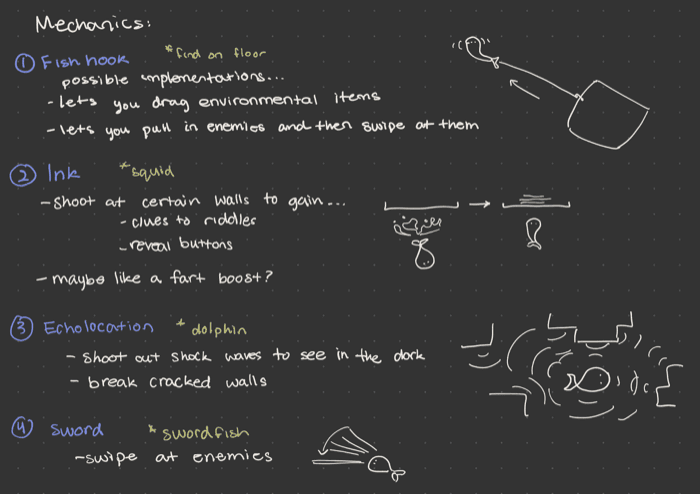
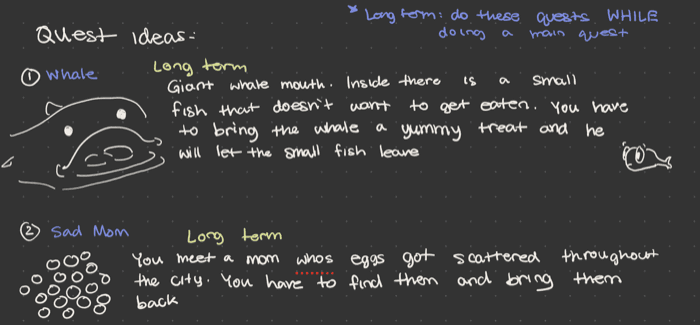
In Underwatertale, I designed 4 upgrade mechanics and 5 main quests, 2 of which are shown on the right. The game was originally going to have dynamic movement abilities and possibly some combat. The mechanics were some fun and dual purpose ideas. Sadly with the tight timeline and the scope down of the game, these features got cut.
The soul of the game is its wacky characters. In all puzzle designs, I kept that focus alive.
Play

!